Electrolysis, a process that uses electrical current to drive a chemical reaction, has a range of applications in various industries. One of the most common questions surrounding electrolysis is whether it can be used to remove metal from a solution or a surface. The short answer is yes, but the process and outcomes can vary depending on the specifics of the scenario.
Before delving into the details, let's first clarify that electrolysis is not typically used to remove unwanted metal from a surface for decorative or aesthetic purposes, such as in the case of tarnished silverware. Instead, it's more commonly employed in industrial settings to remove metal from a solution, refine ores, or in plating processes.
Electrolysis in Metal Refining and Ore Processing
In the context of metal refining and ore processing, electrolysis is indeed used to remove metal from a solution. This is typically done in an electrolytic cell, where the solution (usually an aqueous solution of a metal salt) is the electrolyte, and electrodes are immersed in it. A electrical current is passed through the electrolyte, which drives the chemical reaction that separates the metal from the solution.


The metal to be refined is usually the anode in this process, meaning it's oxidized and dissolves into the solution. The cathode, on the other hand, usually receives a coat of the refined metal. This is how metals like aluminum, copper, and zinc are industrially refined.
Electrowinning
Electrowinning is a specific type of electrolysis used in the hydrometallurgical extraction of metals. It involves passing an electric current through an electrolyte containing metal ions, driving the reduction of these ions at the cathode to deposit the metal. This process is used in the production of copper, nickel, and many other metals.


The process of electrowinning typically starts with the leaching of the ore. The resulting, metal-rich solution (the electrolyte) is then sent to the electrowinning cells, where it's pushed through the process described above, resulting in the deposition of pure metal on the cathode.
Electrorefining
Unlike electrowinning, electrorefining starts with a metal that has already been refined once. The goal here is not to extract metal from an ore, but to make what's already there even purer. The process is similar to electrowinning, but the anode is made of the metal to be purified, which is then dissolved and re-deposited at the cathode in a purer form.
The anode in this case acts as a source of the metal, while the cathode acts as a sink, where the pure metal is deposited. The refining process can be aided by the use of auxiliary anodes (made of a more active metal than the one being refined) to help initiate the reaction at the main anodes.


Electrolysis in Metal Plating
Metal plating, a process that coats an object in a thin layer of metal, is another scenario where electrolysis can be used. In this case, electrolysis isn't used to remove metal, but rather to deposit it. The object to be plated acts as the cathode in the electrolytic cell, where it's coated with a thin layer of metal from the electrolyte solution.
This process is used to enhance the appearance, durability, or functionality of an object. For instance, it's used to give a protective chrome finish to car parts, add a decorative gold layer to jewelry, or increase the conductivity of a circuit board by plating it with copper.
Electroplating
Electroplating is the most common form of metal plating used in industrial applications. It involves immersing the object to be plated (the cathode) and a soluble anode (made of the metal to be plated) in an electrolyte solution. Positive and negative terminals of a power supply are connected to the anode and cathode respectively, initiating an electric current that drives the plating process.

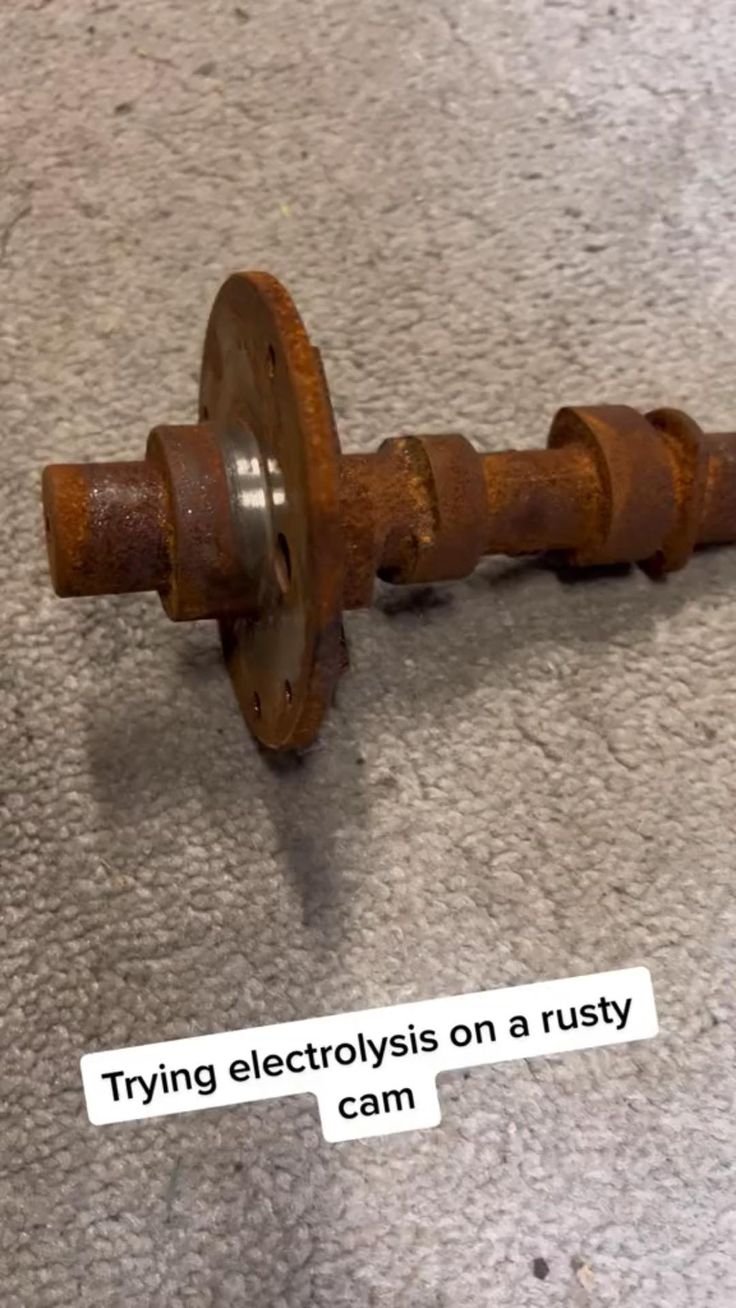


The thickness of the plated metal layer can be controlled by adjusting the electrical parameters (voltage, current, plating time) and the composition of the electrolyte. This is crucial in ensuring the final product meets the required quality standards.
Electroless Plating
Unlike electroplating, electroless plating doesn't rely on an electrical current to drive the deposition of metal. Instead, it uses a chemical reaction to deposit a layer of metal onto the substrate. The method is often used to coat non-conductive surfaces, as electroplating requires a conductive surface.
Despite its name, electrolysis isn't involved in electroless plating. The name is historical rather than technical, as the process was first developed to eliminate the need for electrical power in certain plating applications. However, it's still a useful technique, particularly in the plating of non-conductive surfaces and in the production of high-purity metal coatings.
In conclusion, electrolysis can indeed remove metal, but the specifics of how and when this happens depend on the context. It's a versatile process with many industrial applications, from the refining of ores to the coating of products. If you're dealing with a metal removal or plating challenge, understanding the principles of electrolysis can provide valuable insights. Always remember, though, that each application is unique and may require specialized knowledge and equipment.