Electrolysis, a process that uses electrical current to drive a chemical reaction, is often associated with removing rust or scale from metals. But can it effectively remove paint from metal surfaces? The short answer is yes, but understanding how and when to use this method is crucial for optimal results.
The art of paint removal through electrolysis lies in the process's ability to facilitate chemical reactions without direct contact. Here's a closer look at how electrolysis works to remove paint from metal, its applications, and considerations when using this method.
Understanding Electrolysis for Paint Removal
Electrolysis works on the principle of electrochemical reactions. It involves submerging the painted metal object in a solution with electrodes, applying an electric current, and reversing the polarity of charge repeatedly. This causes the paint particles to break down and flake off due to the negatively charged paint molecules repelling from the negatively charged object.


The effectiveness of electrolysis in paint removal depends on various factors, including the type of paint, the metal's surface condition, and the longevity and intensity of the electrical current applied.
Advantages of Using Electrolysis for Paint Removal
One of the primary advantages of using electrolysis for paint removal is its gentle nature. Unlike sandblasting or chemical stripping, electrolysis doesn't damage the metal's surface. It also allows for the removal of complex or intricate paint designs without marring the underlying metal.


Moreover, electrolysis is environmentally friendly as it doesn't produce hazardous waste like sandblasting or toxic fumes like chemical stripping. It's also safer to use, as no harsh chemicals are involved, reducing the risk of accidents or exposure to harmful substances.
Limitations and Considerations
Despite its gentleness and eco-friendliness, electrolysis has limitations. It's a slow process, requiring several hours to days to remove thick layers of paint effectively. It's also less suitable for large or very complex structures, as they may require additional mechanical assistance for removing loosened paint.
Furthermore, the effectiveness of electrolysis depends on the paint's composition and the metal's surface condition. Some paint types or surface conditions may not respond optimally to electrolysis, requiring additional stripping methods.


Applying Electrolysis for Optimal Paint Removal
While electrolysis can remove paint from metal, achieving the best results hinges on several preparatory steps and process details.
First, ensure the metal surface is clean and devoid of any contaminants that could interfere with the electrolysis process. Then, submerge the metal object in an electrolyte solution, typically composed of water and a small amount of a conductive product like sodium carbonate or witch hazel.
Electrodes and Current Application
Next, place the electrodes in the solution. The painted metal object serves as the anode (positive electrode), while a piece of scrap metal or a dedicated electrode serves as the cathode (negative electrode). Bear in mind the electrodes should not touch the object directly to avoid short-circuiting.

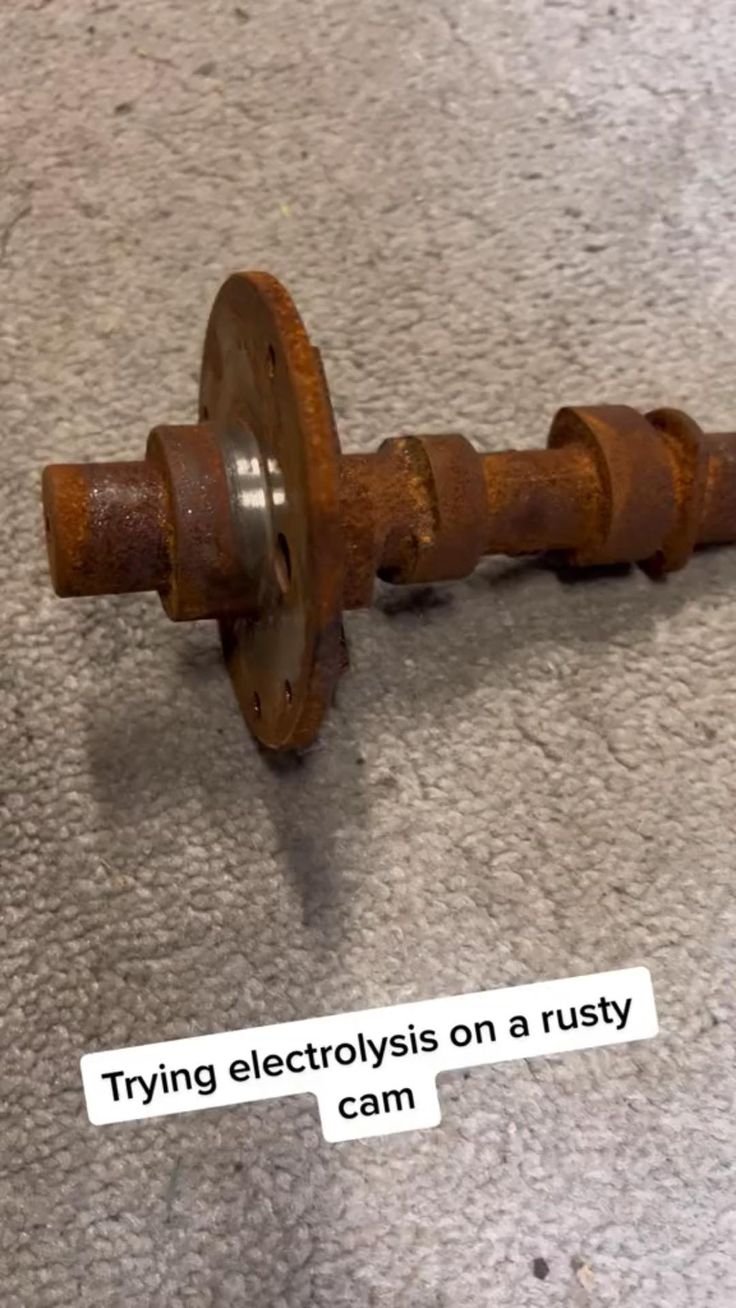


Apply an electrical current, starting with a low voltage and gradually increasing it. Monitor the process, reversing the polarity every hour to ensure uniform paint removal. Remember, the current's intensity and duration significantly influence the electrolysis's effectiveness.
Post-Electrolysis Treatment and Care
After the paint removal process, cleanse the metal object thoroughly to remove any residual electrolyte solution. Inspect the surface for any remaining paint, scrubbing gently with a soft-bristled brush and water-based paint remover if necessary.
Once clean, dry the metal surface promptly to prevent rust formation. If applicable, apply a primer or protective coating to safeguard the metal from corrosion and prepare it for painting or other treatments.
In conclusion, electrolysis can indeed remove paint from metal, offering a gentle, non-abrasive, and eco-friendly method for stripping paint. However, it's essential to understand its limitations, prepare the surface correctly, and monitor the process for optimal results. With careful application, electrolysis can prove to be an invaluable tool in metal restoration and paint removal projects.