Does New Mexico experience hurricanes? This question often surfaces due to the state's geographical location, which is near the Gulf of Mexico and the Atlantic Ocean, both cyclone-prone regions. However, the simple answer is no, New Mexico does not typically face hurricanes in the same way as states along the Gulf and Atlantic coasts. This is largely due to its unique geographical features and weather patterns.
New Mexico is one of the driest states in the U.S., with an arid climate that's more typical of the southwestern desert than the humid tropical conditions where hurricanes usually develop. Its topography also plays a significant role. The Rocky Mountains and other mountain ranges dissect the state, effectively blocking tropical cyclones from entering and causing minimal direct impact when they do.
Hurricane Frequency and Intensity in New Mexico
Given its geographical barriers and climate, New Mexico is not considered a hurricane-prone state. According to the National Oceanic and Atmospheric Administration (NOAA), direct hits from major hurricanes (Category 3 or higher) are extremely rare. Most hurricanes that brush up against New Mexico are either weak or have already begun to lose their intensity due to the land interaction.


On average, New Mexico experiences about one tropical storm every few years, and major hurricanes are even less frequent. The last major hurricane to make landfall in New Mexico was in 1933, and the most recent tropical storm wasDebby in 2003, which caused minimal damage.
Tectonic Activity and Earthquakes: A Different Concern
While hurricanes pose minimal direct risk to New Mexico, the state is not completely immune to strong winds and excessive rainfall. Instead, it faces a different geological threat: earthquakes. New Mexico sits on the boundary of the Juan de Fuca and North America plates, which can cause significant seismic activity. Understanding and preparation for these events is crucial for residents.


New Mexico's Division of Mining and Minerals offers resources for earthquake preparedness, including safety tips and awareness of local hazards. Staying informed and prepared for these geological events is essential for residents, despite the low risk of hurricanes.
prepare for Inclement Weather: General Tips
Even if hurricanes aren't a common threat, New Mexico does experience severe weather events like thunderstorms, heavy rainfall, and flash floods. It's essential to prepare for these events to ensure personal safety and minimize property damage. The New Mexico State Police provides guidelines for staying safe during severe weather.
Some general tips include staying informed through weather alerts, always being prepared with emergency supplies, securing outdoor objects that could become projectiles in strong winds, and knowing how to react when severe weather strikes.


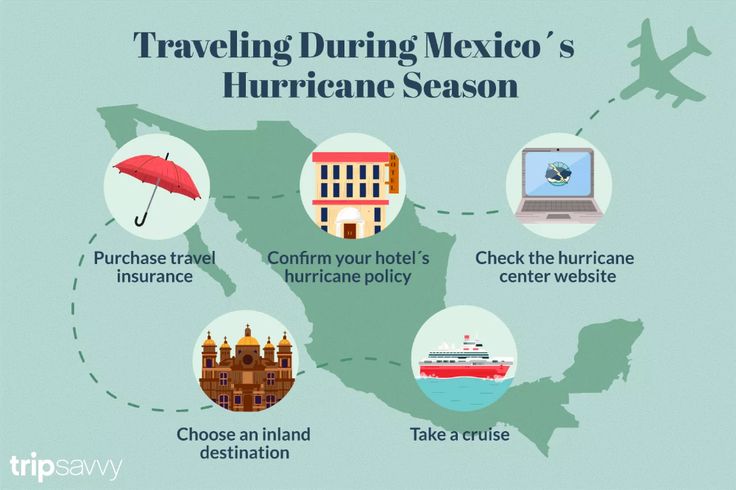


Impact of Hurricane-Related Events on New Mexico
Although hurricanes don't typically hit New Mexico, their impacts can still be felt. contrathetically, storms that spawn severe thunderstorms and tornadoes can pose significant risks to the state's agriculture and infrastructure. While hurricanes may not directly impact New Mexico, their remnants or associated weather patterns can bring about excessive rainfall and flooding to the region.
The monsoon season, typically occurring from June to September, can also bring strong winds and heavy rainfall to the state. During these times, the risk of flash floods increases, and residents should be aware of their local flood risks and evacuation routes.
Emergency Services: Staying Informed and Prepared
The New Mexico Department of Homeland Security and Emergency Management (NMemd) plays a crucial role in preparing and responding to emergencies. Their website offers a wealth of information on various hazards, including severe weather, and provides guidance on how to prepare, respond, and recover from such events.


NMemd encourages residents to sign up for local emergency alerts and to develop a family emergency plan. Additionally, having an emergency supply kit and understanding what to do before, during, and after an emergency can significantly enhance one's safety and ability to cope with unexpected events.
In conclusion, while New Mexico does not typically experience hurricanes, understanding the unique geological risks and preparing for severe weather events is essential for residents to stay safe. By staying informed, taking necessary precautions, and being aware of local hazards, New Mexicans can better navigate whatever weather challenges come their way. Educating ourselves and our communities about these risks is the first step in ensuring our collective preparedness and resilience."