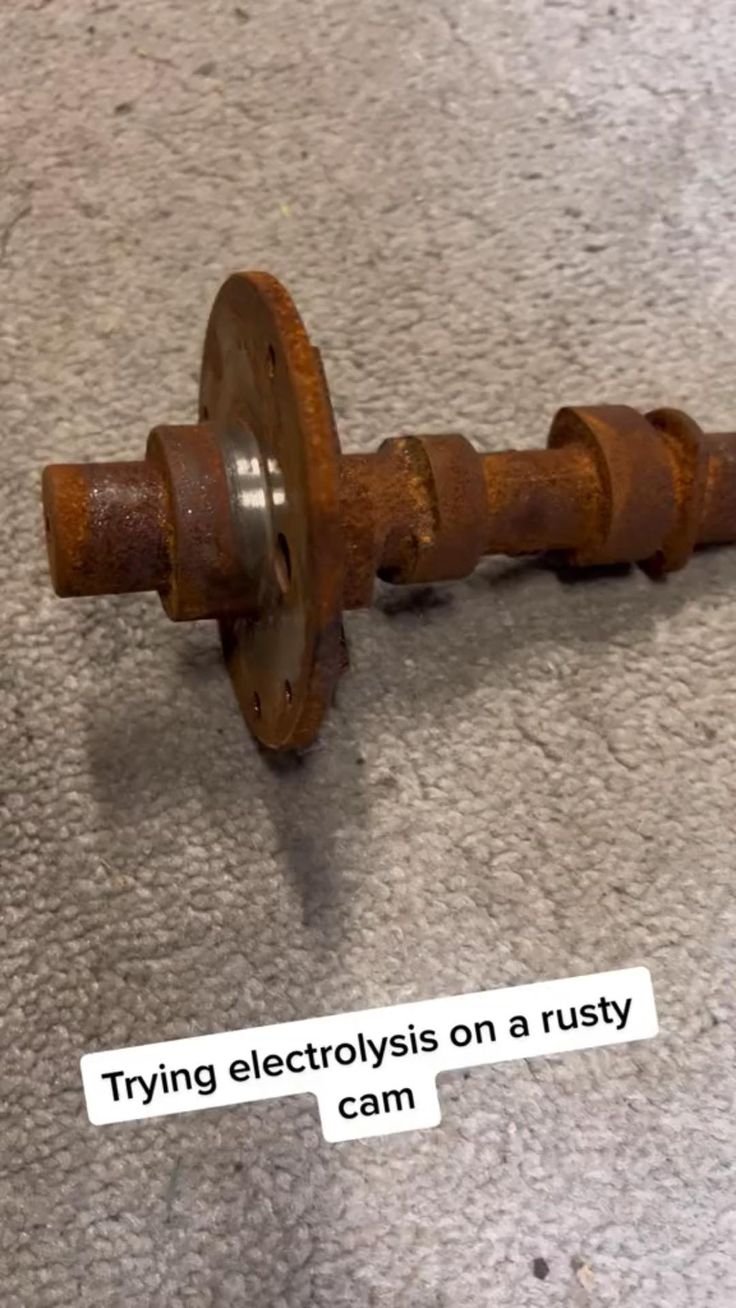
Tackling rust on metal surfaces can seem like a daunting task, but with the right approach, it's entirely manageable. One of the most effective methods for rust removal is electrolysis, a process that harnesses electrical current to break down and dissolve rust. Let's delve into the details of electrolysis rust removal, explaining how it works, its benefits, and the steps involved.
Before we dive in, it's crucial to understand that electrolysis isn't a quick fix. It requires patience and a fairly involved process. However, its ability to thoroughly remove rust and prevent its recurrence makes it a popular and worthwhile method among hobbyists and professionals alike.
The Science Behind Electrolysis Rust Removal
Electrolysis is a fundamental scientific process involving the passage of an electrical current through a conducting medium, in this case, a water-based electrolytic solution. When electricity is introduced, it causes chemical reactions to occur, specifically the reduction (gain of electrons) and oxidation (loss of electrons) of species in the solution.


In the context of rust removal, the electrical current causes the rust to 'sacrifice' itself in favor of the metal it's attached to. The rust is oxidized and dissolves into the electrolytic solution, while the metal is left clean and protected. This is why electrolysis is often referred to as 'sacrificial anode' rust removal.
Setting Up the Electrolysis Process
To begin the electrolysis process, you'll need a power source, a container for the electrolyte solution, a piece of non-sacrificial metal (like aluminum or magnesium) to serve as the anode, and the rusted item to be cleaned, which will act as the cathode.


The electrolyte solution is typically a mixture of water and a small amount of baking soda or coiled steel wool to increase the conductivity of the water. Once everything is set up, connecting the anode and cathode to the power source completes the circuit, and the electrolysis process begins.
Electrolysis Rust Removal Procedure
The duration of the electrolysis process depends on the extent of the rust. For light rust, up to an hour might be sufficient, while heavy rust may take up to 24 hours or more. During this time, it's essential to monitor the process to ensure everything is functioning correctly.
After the rust has dissolved, disconnect the electrical current and clean the item thoroughly to remove any residue. To protect the now Bare metal, apply a coat of paint, wax, or another protective sealant as soon as possible.




Benefits of Electrolysis Rust Removal
Electrolysis rust removal offers several advantages over other methods, such as sandblasting or chemical cleaning:
- Thorough Rust Removal: Electrolysis effectively removes all rust, including that hidden in crevices and hard-to-reach areas.
- Protection Against Future Rust: By sacrificing the rust, electrolysis leaves a thin layer of metal on the surface, which helps prevent future rusting.
- Versatile Usage: Electrolysis can be used to remove rust from various metals, including steel, cast iron, aluminum, and more.
- Safety: Compared to other rust removal methods, electrolysis is safer and doesn't require harsh chemicals or protective gear.
The final step in electrolysis rust removal is protection. A must-do after rust removal, applying a protective coating on the cleaned metal will significantly extend its lifespan and prevent further rusting. Whether it's a simple coat of paint or a complex treatment like powder coating, this final step is critical to maintaining the results of your electrolysis efforts.
In the vast landscape of rust removal techniques, electrolysis stands out as a reliable, thorough, and safe method. Armed with the knowledge of how it works and the steps involved, you're now equipped to tackle even the peskiest rust problems. So, grab your power source, prepare your electrolyte solution, and let the current do the heavy lifting as you clean and protect your metal surfaces.


