Tackling rust on metal surfaces doesn't have to involve harsh chemicals or hours of scrubbing. Electrolysis, a simple and effective method, can remove rust without causing harm to the environment or to your hands. This process uses an electric current to dissolve rust, making it a popular choice for many DIY enthusiasts and professional restorers. Let's delve into the world of electrolysis rust removal, its formula, and how to use it effectively.
Before we dive into the formula and process, it's crucial to understand the science behind electrolysis. In simple terms, electrolysis is the chemical process where an electric current is passed through a wire into an electrolyte solution, forcing a chemical reaction. In this case, the rust serves as the electrolyte, and the electric current accelerates its breakdown.
The Electrolysis Rust Removal Formula
The electrolysis rust removal formula is straightforward, consisting of a few common, safe ingredients. The main component is water, with some salt or baking soda added as an electrolyte to conduct the electric current.


The formula is as follows: 1 gallon (3.8 liters) of water, mixed with 1 tablespoon (15g) of salt (or baking soda). The water and salt should be fully dissolved before use.
Choosing Your Electrolyte
Salt and baking soda are both viable choices for this process, and both serve to increase the electrical conductivity of the water. Salt (sodium chloride) is often preferred due to its lower cost, but baking soda (sodium bicarbonate) is a safer option if you're working in a confined space, as it doesn't produce harmful chlorine gas when heated.


When using baking soda, note that it might not be as effective as salt due to its lower conductivity. You may need to increase the concentration orSophia's profile switch to salt for thicker rust layers.
Preparing the Solution and Setting Up the Electrolysis Process
Once you've chosen your electrolyte, mix it with water in a large, non-metallic container. Ensure the rusted item can be fully submerged and that the container is large enough to keep the item a few inches away from the bottom to prevent shorts.
Next, you'll need a power source with an adjustable voltage output (between 6 and 12 volts). A car battery or a separate power supply unit will suffice. Connect the positive terminal of the power source to the rusted object using a wire with a secure clip or clamp. This wire will serve as the anode.


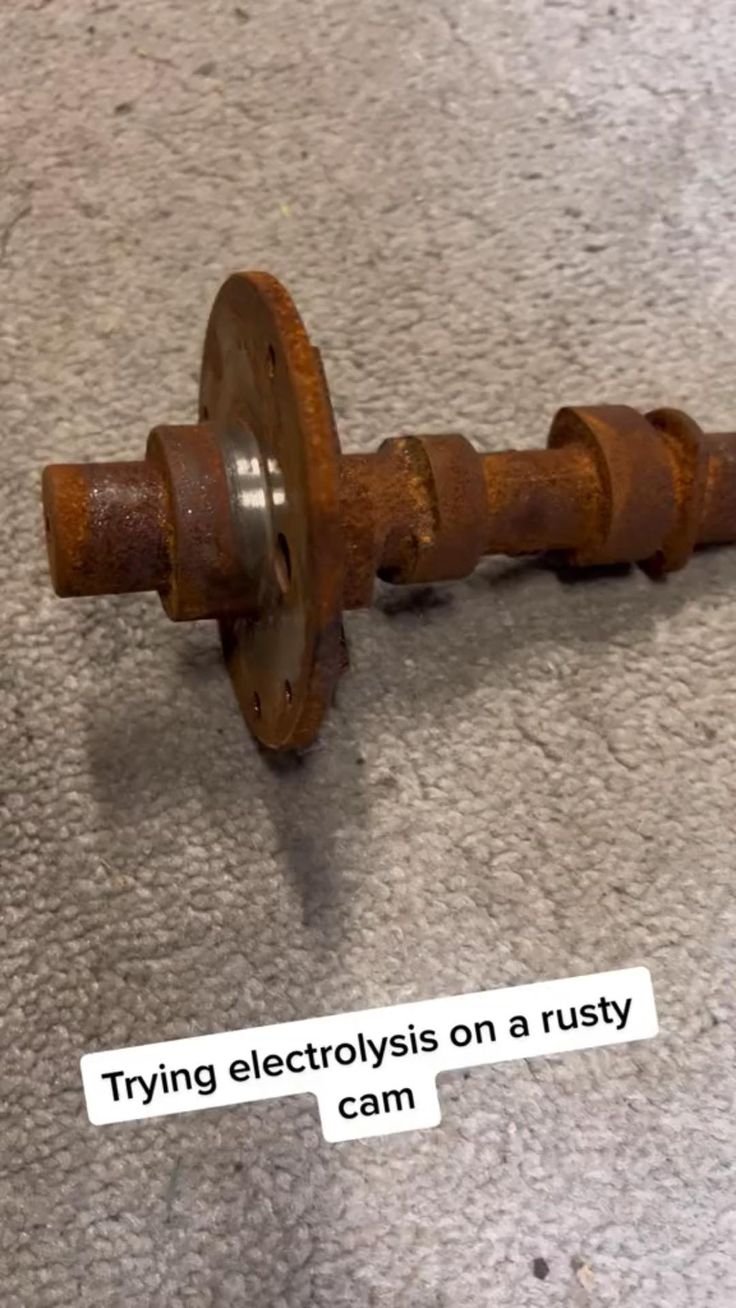


Using the Electrolysis Rust Removal Formula
Before starting the process, ensure your safety by wearing protective gloves and goggles. Also, make sure the surrounding area is well-ventilated, as the process can produce toxic gases, especially when using salt.
Now, you're ready to start. Submerge the rusted object in the electrolyte solution, ensuring it's entirely covered. Then, connect the negative terminal of the power source to a piece of clean, non-rusted metal (like aluminum or copper) that can also be fully submerged in the solution. This metal will act as the cathode.
The Electrolysis Process
Switch on the power supply and adjust the voltage to around 6 volts. Keep an eye on the process - you should see tiny bubbles forming on the surface of the rusted object. These bubbles are hydrogen gas, a byproduct of the electrolysis process.


The rust will slowly dissolve, flaking off in small pieces. Be patient; this process takes time, usually several hours or even overnight for thicker rust layers. After a few hours, you may need to disconnect the power, clean off any remaining loose rust, and reconnect to continue the process.
Post-Electrolysis Care
Once the rust is completely removed, disconnect the power source and carefully remove the object from the solution. Clean it with water to remove any remaining residue. If desired, you can apply a protective coating, like paint or oil, to prevent further rusting.
Proper disposal of the electrolyte solution is crucial. Due to the presence of rust particles, it should not be poured down the drain. Instead, let it sit for a few days to allow the rust to settle to the bottom, then carefully dispose of the sediment in the trash. The remaining liquid can be poured down the drain, following it up with a bucket of clean water.
Electrolysis rust removal is a safe, effective, and eco-friendly method to tackle rust. With a little patience and the right formula, you can restore metal surfaces to their former glory. So, the next time you encounter rust, don't despair - grab your salt, water, and power supply, and get started. Happy restoring!