Mexico's tropical climate and geographical location indeed make it susceptible to hurricanes, with these powerful storms forming primarily between June and November. This period, known as the Atlantic hurricane season, sees an upsurge in hurricane activity due to warm ocean temperatures and favorable atmospheric conditions. But does October stand out as a particularly active month for hurricanes in Mexico? Let's delve into this in detail.
October, positioned squarely within the peak hurricane season, is indeed one of the most active months for these massive storms. In fact, statistics show that over the past 30 years, October has accounted for around 15% of all named storms in the Atlantic basin, making it the third busiest month after September and November. But how does this translate to Mexico specifically?
The Peak Months for Mexican Hurricanes
When considering hurricanes that directly impact Mexico, October isataround the halfway point of the most active period for the country. This window typically extends from mid-August to mid-November, with September and October being especially busy due to increased storm formation and favorable conditions for directional movement towards the Mexican coast.


Historically, Mexico has witnessed some of its most devastating hurricanes during this peak season. For instance, Hurricane Ruiz in 1995 and Hurricane Wilma in 2005 – two of the deadliest and most costly tropical cyclones to strike Mexico – both occurred during the October peak.
October's Role in Hurricane Development
Several factors contribute to the October peak in Mexican hurricanes. Sea surface temperatures in the Caribbean and Gulf of Mexico reach their warmest during this month, providing an ample energy source for storm development. Additionally, prevailing winds and weather patterns often guide these storms westward towards Mexico during this time.


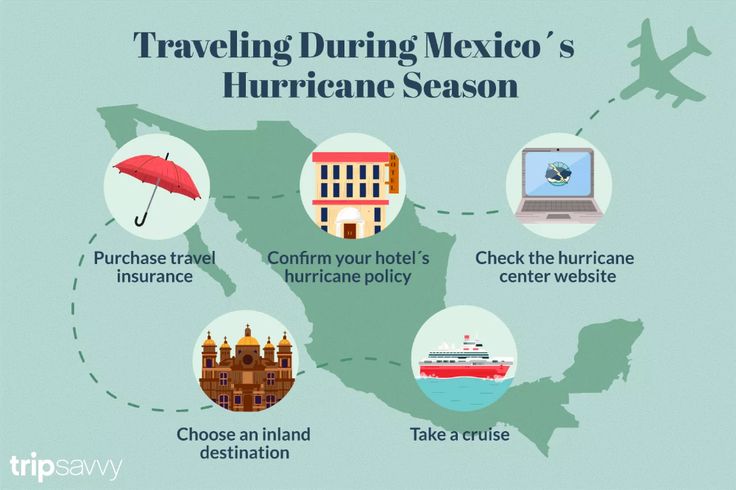
Moreover, the position of the Intertropical Convergence Zone (ITCZ) usually shifts southward in October, further enhancing atmospheric instability and fostering hurricane formation. All these conditions culminate in October being a notable month for hurricanes in Mexico.
Preparing for October Hurricanes in Mexico
Given the elevated hurricane risk, residents and visitors in Mexico should remain vigilant during October. Coastal regions, including popular tourist destinations like Cancun, Cozumel, and the Yucatan Peninsula, are particularly at risk. Preparations should include keeping up-to-date with local weather forecasts, having an emergency plan, and preparing emergency supplies.
It's also crucial to stay informed about specific hurricane hazards, such as storm surges – often the most deadly and destructive feature of hurricanes – and inland flooding. By taking these precautions, individuals can help minimize the risks associated with October's heightened hurricane activity in Mexico.


Regional Differences in Mexican Hurricane Activity
While October is a high-risk month for hurricanes across Mexico, the likelihood and intensity of these storms can vary significantly between regions. For example, the Gulf of Mexico typically experiences more hurricanes than the Pacific coast due to warmer sea surface temperatures and different steering patterns.
Moreover, topographic features such as mountain ranges and peninsulas can influence storm frequency and intensity. For instance, the Yucatan Peninsula's low elevation and wide expanse of water present fewer obstacles to storm development and intensification compared to higher, more rugged terrain further south.
Hurricane Hotspots in Mexico
The states most frequently impacted by hurricanes in Mexico include Veracruz, Tamaulipas, and Tabasco along the Gulf Coast, as well as Quintana Roo and Yucatan on the Caribbean side. These regions, especially during October, should be particularly mindful of hurricane warnings and follow local advice for safety and evacuation.


On the Pacific coast, states like Guerrero, Oaxaca, and Guerrero are also susceptible to hurricanes, though typically to a lesser degree than their Atlantic counterparts. Again, October remains a critical watch month for potential storm threats in these areas.
Hurricane Frequency Trends
Historical hurricane data reveals a general upward trend in Atlantic hurricane activity, including Mexican landfalling storms. This increase has been attributed to various factors, such as warming ocean temperatures, changes in atmospheric circulation patterns, and shifts in sea level pressure systems.
Regardless of the underlying causes, understanding this trend can help inform future preparations and response efforts. It's essential for both residents and visitors to stay current with official forecasts and adapt their plans according to elevated hurricane risks, particularly during peak seasons like October.
As we елда into the peak of hurricane season, it's vital that those living in or visiting Mexico remain attentive to changing weather conditions and follow the guidance of local authorities. By doing so, they can help ensure their safety and well-being throughout this active period.