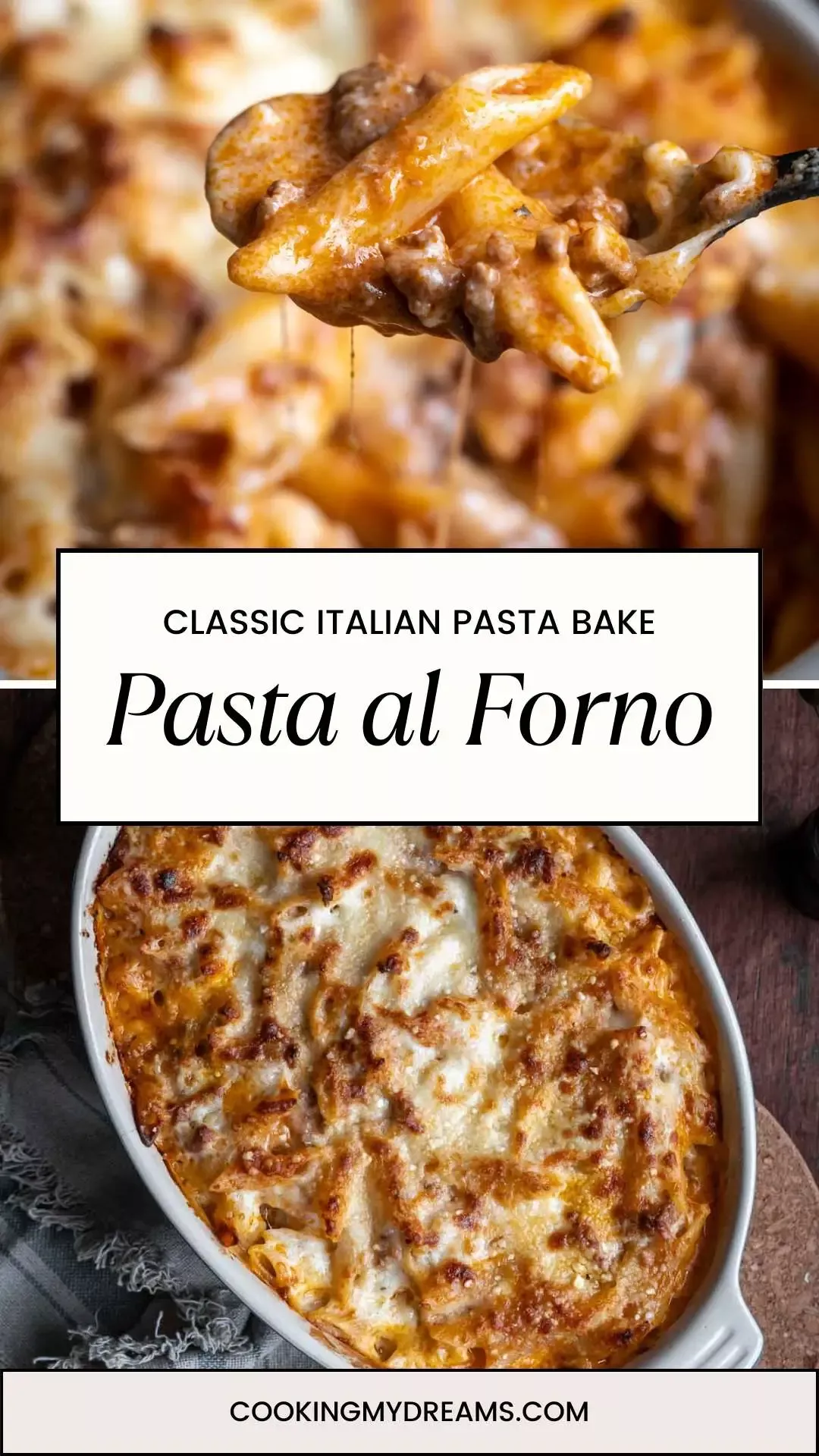
When the term "comfort food" is evoked, few dishes come close to the heartwarming allure of Pasta al Forno Bolognese. This iconic Italian-American fusion dish, a symphony of rich, slow-cooked meat sauce Honor, and molten cheese, has been warming bellies and melting hearts for generations. Let's delve into the delightful world of Pasta al Forno Bolognese, exploring its origins, key ingredients, cooking techniques, and variations to help you master this beloved classic.
A culinary marriage between the French-derived Bolognese sauce and the Italian-American casserole, Pasta al Forno Bolognese first rose to popularity in 19th century America. Immigrant pasta makers, seeking to replicate the hearty, affordable dishes they enjoyed back home, evolved their recipes to reflect the ingredients and techniques available in the New World. Thus, pasta casseroles born, combining tender noodles, slow-simmered meat sauces, and copious amounts of bubbling cheese.
Understanding Bolognese: The Heart of Pasta al Forno
At the core of Pasta al Forno Bolognese lies the decadent, slow-cooked meat sauce known as ragù alla Bolognese. Originating in Bologna, Italy's culinary capital, this versatile sauce is traditionally prepared with a balanced blend of ground meat, aromatics, wine, tomatoes, and sometimes milk or cream. Its rich, complex flavor profile is born from the slower, gentler cooking process that allows the ingredients to meld and deepen over time.


In America, Bolognese has undergone various adaptations, with ground beef replacing the traditional mix of ground pork and beef, and additional tomatoes and garlic enhancing the sauce's robust, tangy notes. These modifications have not only made the sauce more readily accessible but also contributed to its widespread appeal.
Building a Better Bolognese
To craft an exceptional Bolognese sauce for your Pasta al Forno, consider these key tips:


- Start with aromatics: Sweat onions, carrots, celery, and garlic to form the flavor foundation of your sauce.
- Brown the meat: Cooking ground meat separately and crisping it up beforehand imbues the sauce with a richer, more robust flavor.
- Deglaze with wine: Adding a splash of red wine to the pan and scraping up any browned bits (fond) infuses the sauce with additional depth and complexity.
- Simmer gently: Cooking the sauce low and slow, often for several hours, allows the flavors to meld and intensifies the richness of the meat.
Selecting the Perfect Pasta
Choosing the right pasta shape is crucial for a successful Pasta al Forno. Certain shapes, such as penne, fusilli, and rigatoni, are ideally suited to this dish due to their uneven surfaces, which help trap the sauce and provide a satisfying textural contrast to the creamy cheese topping.
Assembling and Baking Your Pasta al Forno Bolognese
Once you have a magnificent Bolognese sauce and a perfectly cooked pasta, it's time to bring your Pasta al Forno to life. Layering your ingredients thoughtfully ensures an evenly distributed, satisfying dish:
- Spread a thin layer of sauce in the bottom of your baking dish to prevent the pasta from sticking.
- Add a layer of pasta, followed by an even layer of meat sauce, and then a generous sprinkling of cheese.
- Repeat with additional layers, finishing with a final layer of cheese for a golden, bubbly topping.
- Bake at a moderate temperature (around 375°F/190°C) until the cheese is melted, bubbly, and lightly browned, and the sauce is warmed through.
Crafting the Perfect Cheese Blend
One of the delightful aspects of Pasta al Forno Bolognese is the opportunity to customize your cheese blend, providing both flavor and creaminess. Traditional recipes often call for a combination of mozzarella, Parmesan, and Romano cheeses, balanced to create a melted topping that's neither too stringy nor too dry. Don't hesitate to experiment with other Italian cheeses, such as provolone, fontina, or asiago, to create your unique blend.
To achieve the perfect balance, aim for a blend that is roughly 50% low-moisture mozzarella, 25% Parmesan, and 25% of a more assertive, flavorful cheese like Romano or Pecorino. Adjust the ratio according to your personal preferences, ensuring that the cheese provides a cohesive, delicious binding agent for the dish.
Finishing Touches and Variations
In search of a Pasta al Forno with a little more oomph? Consider incorporating additional ingredients or modifications to make the dish uniquely yours:
- Vegetables: Include thinly sliced zucchini, roasted bell peppers, or sautéed mushrooms to boost the nutritional value and add depth of flavor.
- Meat and cheese alternation: Layer cooked Italian sausage, spicy ghetto, or prosciutto di Parma between the pasta and sauce for extra protein and depth.
- Breadcrumb topping: Add a crispy, golden topping with a mixture of breadcrumbs, grated cheese, and olive oil, or incorporate finely chopped herbs like basil or parsley.
- Al forno variations: Explore similar baked pasta dishes, such as lasagna, moussaka, or even macaroni and cheese, to expand your culinary horizons.
In the bustling, neon-lit heart of Little Italy or the sun-drenched streets of coastal Italy, the comforting embrace of Pasta al Forno Bolognese beckons. With this comprehensive guide at your fingertips, you're equipped to craft your own incredible casserole, imbued with your unique flair and flavors.Now, don't just dream of Pasta al Forno – get into the kitchen and make it happen. Your loved ones and taste buds will thank you! Buon appetito!


