The Romanian Deadlift (RDL) is a powerful exercise that targets a range of muscle groups, making it a staple in many fitness routines. If you're looking to build strength and muscle mass, particularly in your posterior chain, this move is a must-include in your workout plan.
Also known as the Romanian Style Deadlift, this variation differs from the traditional deadlift by emphasizing a more upright torso position and hip hinge mechanics, which slightly shifts the focus of muscle activation.
The Primary Muscles Targeted
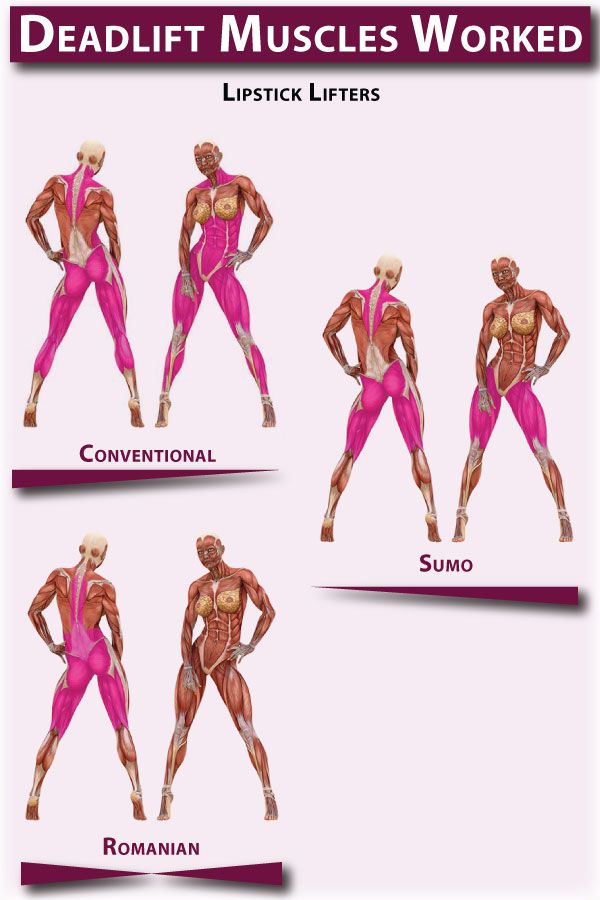
The Romanian Deadlift primarily targets the muscles responsible for hip extension. These include:


The Glutes
As the primary mover in the RDL, the glutes (gluteus maximus, medius, and minimus) are activated and engaged throughout the motion. In fact, this exercise is often used specifically to target and develop the glutes, with the added benefit of muscle activation in other key areas.
The glutes provide stabilization for the hips and pelvis, acting as a foundation for many movements including walking, running, and jumping. Strengthening them through exercises like the Romanian Deadlift can help improve athletic performance and reduce the risk of lower body injuries.


The Hamstrings
The hamstrings (biceps femoris, semitendinosus, and semimembranosus) are also heavily engaged during the RDL, particularly in the eccentric (lowering) phase. This exercise is excellent for developing the length, strength, and endurance of your hamstrings, which are crucial for speed and power generation in various athletic movements.
Moreover, the RDL promotes a strong mind-muscle connection, helping you to understand and activate the hamstring muscles more effectively.
Secondary Muscles Involved
While the Romanian Deadlift primarily targets the glutes and hamstrings, other muscle groups play an important supporting role in performing this exercise.


The Lower Back
The lower back muscles, particularly the erectors spinae and quadratus lumborum, provide stability and support during the RDL. They help maintain the spine's neutral position and prevent excess hyperextension or-rounding of the lower back.
Maintaining proper spinal alignment and engaged core throughout the RDL ensures the lower back muscles are effectively trained without undue stress or compromised form.
The Upper Back
The upper back muscles, including the rhomboids, lats, and traps, also engage during the RDL to help stabilize the torso and maintain an upright posture. Strengthening these muscles can improve overall posture and support function in the upper body.


The RDL, like many compound movements, requires total body tension and engagement for optimal execution and muscle activation.
The Forearms and Grip
As with any deadlift variation, the forearms and grip muscles (flexors and extensors) are engaged to hold onto the weight and maintain a secure grip throughout the lift.
Over time, incorporating the RDL into your workout routine can help improve grip strength, which can translate to better performance in other exercises and increased upper body strength.
Incorporating the Romanian Deadlift into your strength training program offers numerous benefits, from targeting key muscle groups to developing overall strength and stability. As with any exercise, proper form and progression are crucial to maximize gains and minimize injury risk. Now that you understand what muscles the Romanian Deadlift targets, you can confidently include this powerful exercise in your workout plan, reaping the rewards of a stronger, more well-rounded physique.