Sculpting a strong, robust physique often requires more than just curls and crunches. Multi-joint exercises like the Romanian Deadlift (RDL) target multiple muscle groups, offering a comprehensive workout in one move. But what muscles does the Romanian Deadlift work? Let's dive into the physiology behind this powerful exercise.
Hailed for strengthening the posterior chain, the Romanian Deadlift is an essential lift for any fitness enthusiast or athlete. It works several muscle groups simultaneously, making it a versatile exercise for both strength and hypertrophy goals.
Primary Muscles Worked
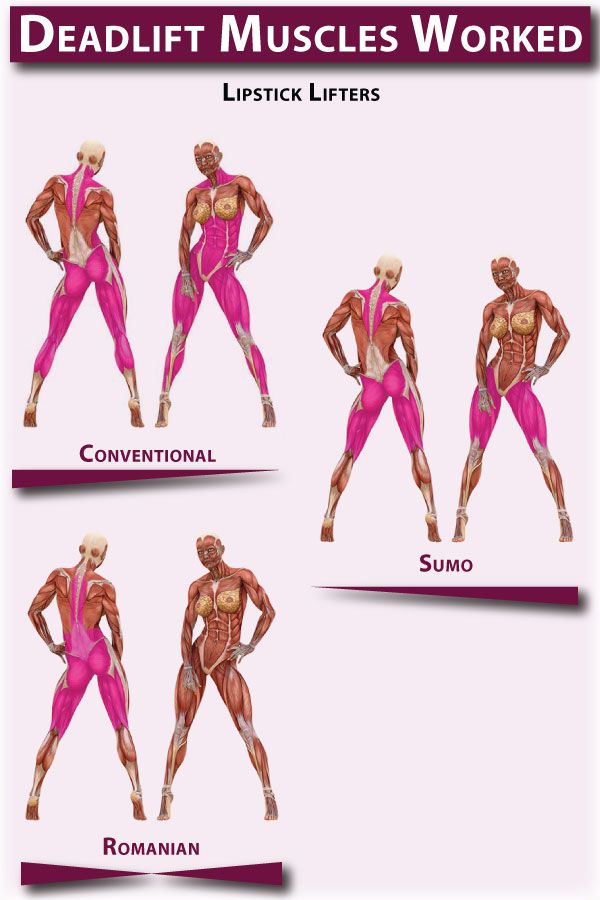
The Romanian Deadlift primarily targets the posterior chain, a collection of muscles along the backside of the body, responsible for extension, stability, and support.


Among these, the hamstrings are the crude oil that fuels the Romanian Deadlift. This large, powerful muscle group on the back of the thigh works synergistically with the glutes to extend the hip, flex the knee, and datirolift the torso. In the RDL, hamstrings play a pivotal role in lowering the barbell and extending the hips to stand back up.
Hamstring Muscles
To understand the hamstring's role in the RDL, let's break it down. The biceps femoris, semitendinosus, and semimembranosus work together to extend the hip and flex the knee. The biceps femoris, being the largest, bears the brunt of the work in the RDL, helping pull the barbell down and back up.


Strong hamstrings aren't just crucial for performance; they also protect the knees. Weak hamstrings contribute to patellar tendinitis, ACL injuries, and other knee issues.
Gluteal Muscles
The gluteals - gluteus maximus, medius, and minimus - are the powerhouses of hip extension. The gluteus maximus, the largest and strongest muscle in the human body, engages with the hamstrings to extend the hips during the RDL's descent and ascent. Moreover, the gluteus medius helps stabilize the hips and pelvis during the movement.
Strengthening the glutes is not just essential for performance but also for preventing lower back pain and improving posture.


Secondary Muscles Worked
The Romanian Deadlift also engages several secondary muscles, providing a full-body workout in one lift.
The spinal erectors, a series of muscles along the spine, work hard to maintain a straight, neutral back during the RDL. Keeping the lower back strong and stable prevents injuries and enables the hamstrings and glutes to work optimally.
Spinal Erectors
The spinal erectors are made up of several muscle groups, including the multifidus, longissimus, and thoracis. They work together to extend the spine and maintain posture. During the RDL, they keep the back straight and support the weight of the barbell.


Strong spinal erectors enhance overall posture, prevent lower back pain, and enhance athletic performance.
Forearms and Grip
The forearms and grip play a crucial role in maintaining control during the RDL. The flexor carpi radialis and ulnaris, extensor carpi radialis longus and brevis, and the flexor digitorum superficialis and profundus work together to grip the barbell firmly while keeping the wrists neutral.
A strong grip is essential for performing other exercises safely and effectively, such as deadlifts, rows, and pull-ups.
Incorporating the Romanian Deadlift into your fitness routine targets multiple muscle groups, promoting strength, hypertrophy, and functional movement. So, grab that barbell, keep your back straight, and feel the burn in your hamstrings and glutes as you master this powerful lift. Happy lifting!