Cabo, a tropical paradise known for its stunning beaches and vibrant nightlife, is a popular destination year-round. But like other regions in the Caribbean and the Gulf of Mexico, Cabo isn't immune to the forces of nature, particularly the tropical storms and hurricanes that can occur during the Atlantic hurricane season. So, does Cabo have a hurricane season? The short answer is yes, and understanding it can help you plan your trip safely.
The Atlantic hurricane season officially runs from June 1 to November 30, with the peak of the season from mid-August to late October. During this period, Cabo can experience hurricanes, tropical storms, or even tropical depressions. These weather systems can bring heavy rainfall, strong winds, storm surges, and potential flooding, sometimes causing disruptions to travel and tourism activities.
The Hurricane Season in Cabo
Cabo, located at the southern tip of the Baja California peninsula, is directly in the path of potential hurricanes. Although it doesn't typically experience direct hits from the most powerful storms, it can still feel the effects of their outer bands.


One of the reasons why Cabo experiences fewer direct hits is due to the phenomenon of hurricane-tracking. Many hurricanes that form in the Atlantic Ocean curve toward the northeast before making landfall in the United States. Cabo, being on the western side of Mexico, often avoids the most intense impacts.
Historical Storms in Cabo
While Cabo doesn't usually face the full wrath of hurricanes, it's still a good idea to be aware of its storm history. For instance, Hurricane Odile made landfall in Cabo San Lucas in 2014 as a Category 3 hurricane, causing significant damage and disrupting tourism for months.


Other notable storms include Hurricane/store Pauline in 1997 and Tropical StormNorma in 2018, which both brought heavy rainfall and strong winds to the region, but had lesser impacts compared to Odile.
Preparing for a Hurricane in Cabo
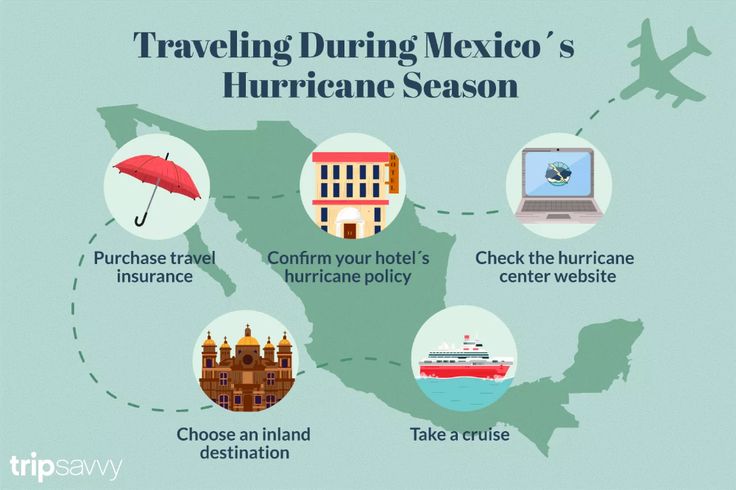
If you're planning a trip to Cabo during the hurricane season, it's crucial to stay informed and prepared. Monitor weather updates, and if a storm is forecasted, heed the advice of local authorities.
Many resorts and hotels in Cabo have hurricane preparedness plans in place. When a storm approaches, they typically board up windows, secure outdoor furniture, and may even move guests to higher floors. It's a good idea to familiarize yourself with your accommodation's hurricane policies.



When to Travel to Cabo
If you're concerned about weather disruptions, the best time to visit Cabo is typically during the late fall, winter, and early spring months, which correspond to the North American holiday seasons. From late November to late April, the weather is usually sunny and dry, with average temperatures ranging from 70°F to 85°F.
However, keep in mind that travel can be busier and prices can be higher during these peak tourist seasons. If you're flexible with dates and open to the possibility of a unique adventure, weathering a storm in Cabo and witnessing the region's recovery can be a memorable experience.
Travel Insurance and Cancellations
Purchasing travel insurance that covers trip cancellations is highly recommended, especially when traveling during hurricane season. Many policies will reimburse you for non-refundable expenses if your trip is canceled or delayed due to a hurricane.


Before purchasing insurance, make sure to read the fine print and understand what's covered. Some policies may require you to buy coverage within a certain timeframe after booking your trip to be eligible for coverage.
In conclusion, while Cabo does have hurricane season and can experience tropical storms, it's essential to understand that the region is well-prepared and that direct hits from the most powerful storms are relatively rare. By staying informed, prepared, andflexible, you can safely enjoy your trip to this stunning part of the world, all while being aware and respectful of the forces of nature. Safe travels!