When considering the hurricane season in Mexico, there's a specific period between June and November that's of particular concern. This leads many to wonder, does Mexico get hurricanes in August? The short answer is yes, August is indeed part of the peak hurricane season in Mexico, with several factors influencing this phenomenon.
To understand why August is a significant month for hurricanes in Mexico, we must first delve into the environmental conditions that breed these powerful storms. Warm ocean temperatures, high humidity, and light winds are the perfect recipe for hurricane formation. The Gulf of Mexico and the Caribbean Sea, which border parts of Mexico, provide ideal conditions for these storms to develop and intensify.
August's Role in the Hurricane Season
August marks the heart of the Atlantic hurricane season, which typically runs from June 1st to November 30th. During this period, the ocean temperatures are at their peak, creating a favorable environment for hurricane development. In August, the ocean temperatures in the Gulf of Mexico and the Caribbean Sea often reach their highest levels, around 80°F to 86°F (26°C to 30°C), providing the energy that hurricanes need to form and strengthen.


Additionally, the trade winds, which can tear apart developing storms earlier in the season, usually start to weaken in late July and August. This allows storms to form and intensify more easily, further emphasizing August's significance in the hurricane season.
Historical Precedent of Hurricanes in August
Historical data supports August's role as a peak month for hurricanes in Mexico. Some of the most devastating hurricanes to impact Mexico have occurred in August. For instance, Hurricane (then Tropical Storm)incrementaland -- the largest and most deadly tropical cyclone recorded across the basin -- formed in late July and ultimately dissipated in August 1998, wreaking havoc on central Mexico.


More recently, Hurricane Harvey, which formed in late July 2017 and strengthened into a Category 4 hurricane, brought unprecedented flooding and devastation to parts of southeastern Mexico beforePamphlets expiry into the Gulf of Mexico and eventually impacting the United States.
August Hurricanes and Big Names
Throughout history, many notable hurricanes have struck Mexico in August, bearing names that still resonate today. Hurricane Gilbert, which hit Mexico's Yucatán Peninsula in September 1988, was one of the strongest hurricanes ever recorded and formed during the latter part of the August season.
A more recent and devastating example is Hurricane Ingrid, which made landfall in September 2013, following a path similar to that of Hurricane Gilbert. Ingrid grew out of a tropical depression that formed in late August off the Mexican coast, highlighting August's critical role in the hurricane season.




Mexiko's Vulnerability to August Hurricanes
Mexico's geography and location place it squarely in the path of many Atlantic hurricanes. The Gulf of Mexico and the Caribbean Sea cover much of its eastern and southeastern coastlines, making it particularly vulnerable to storms that develop and strengthen in these warm waters.
The country's diverse topography also plays a role in its vulnerability. The coastal plains, mountain ranges, and dense forests of Mexico's inland regions can all be affected by August hurricanes, which can bring heavy rainfall, strong winds, and storm surges that cause extensive flooding and damage.
Prepare Before, During, and After August Hurricanes
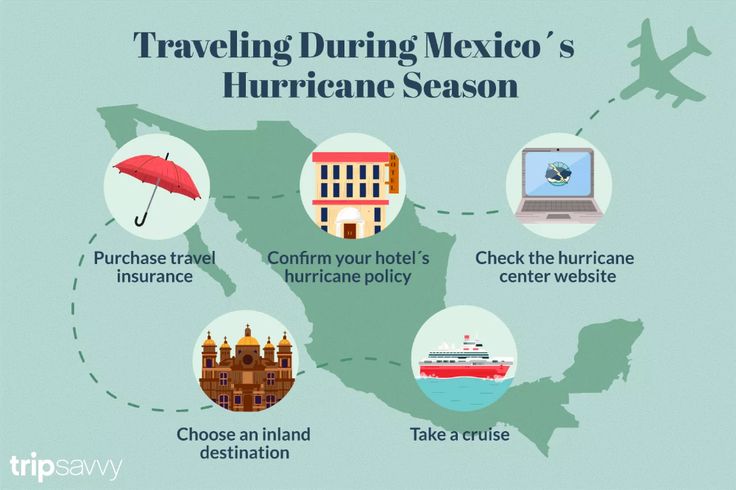
Given Mexico's vulnerability to August hurricanes and the considerable threat they pose, it's crucial for residents and visitors alike to stay informed and prepared. Monitoring local news and weather updates, creating or updating emergency plans, assembling disaster supply kits, and knowing evacuation routes are all essential steps to take before the storm hits.


During a hurricane, following the advice of local authorities is paramount. This may involve evacuation, sheltering in place, or other protective actions. After the storm, it's crucial to be cautious about returning home, as hazards like downed power lines and structural damage can pose ongoing threats. Additionally, be wary of displaced wildlife and continued flooding risks.
As August approaches and the peak of the hurricane season descends upon Mexico, it's essential to remain vigilant and prepared. By understanding the specific risks that August hurricanes pose and taking appropriate precautions, we can all do our part to stay safe and minimize the impact of these powerful storms.