Electrolysis, a process that uses electric current to drive a chemical reaction, is often hailed as a solution to rust problems. But does electrolysis really work on rust? The answer is complex and depends on several factors. Let's explore this topic in detail to understand the process, its applications, and its limitations.
Before diving deep, let's first understand what rust is. Rust, or iron oxide, is a natural and extremely undesirable process that occurs when iron or steel is exposed to oxygen and moisture. It's a challenge that has plagued civilizations since they began using metal. Now, let's see what electrolysis can do about it.
Understanding Electrolysis
Electrolysis is a method of using electric current to cause a chemical change. It involves two electrodes (an anode and a cathode) submerged in an electrolyte. When a current flows between them, chemical reactions occur at the surface of each electrode.


In the context of rust, the goal is usually to reverse the corrosion process. Electrolysis can potentially do this by creating an electrical potential that attracts the rust particles and forces them to dissolve back into the surrounding metal.
Electrolysis for Decorative Purposes
One of the simplest ways electrolysis can be used for rust removal is for decorative purposes. For instance, you might want to remove rust from an old garden tool or a vintage bicycle. This process involves immersing the rusty item in a saltwater solution and connecting it to a power source.


In these applications, the item being treated acts as the anode and attracts the rust particles, which dissolve into the solution. However, this method is not recommended for larger or more valuable items due to its slow pace and the risk of damaging the item if not done correctly.
Electrolysis as a Professional Treatment
Professional rust removal services use advanced electrolysis techniques to treat severe rust problems. They utilize sophisticated equipment and techniques to apply an electrical current directly to the rust, forcing it to dissolve.
These professional treatments can be quite effective, but they are also expensive and not suitable for every situation. Plus, they require specialized knowledge and equipment, making them inaccessible to most DIY enthusiasts.


The Limitations of Electrolysis for Rust Removal
Despite its promise, electrolysis is not a panacea for rust problems. It has several limitations that make it less than ideal for many situations.
Size and Complexity of the Rusty Item
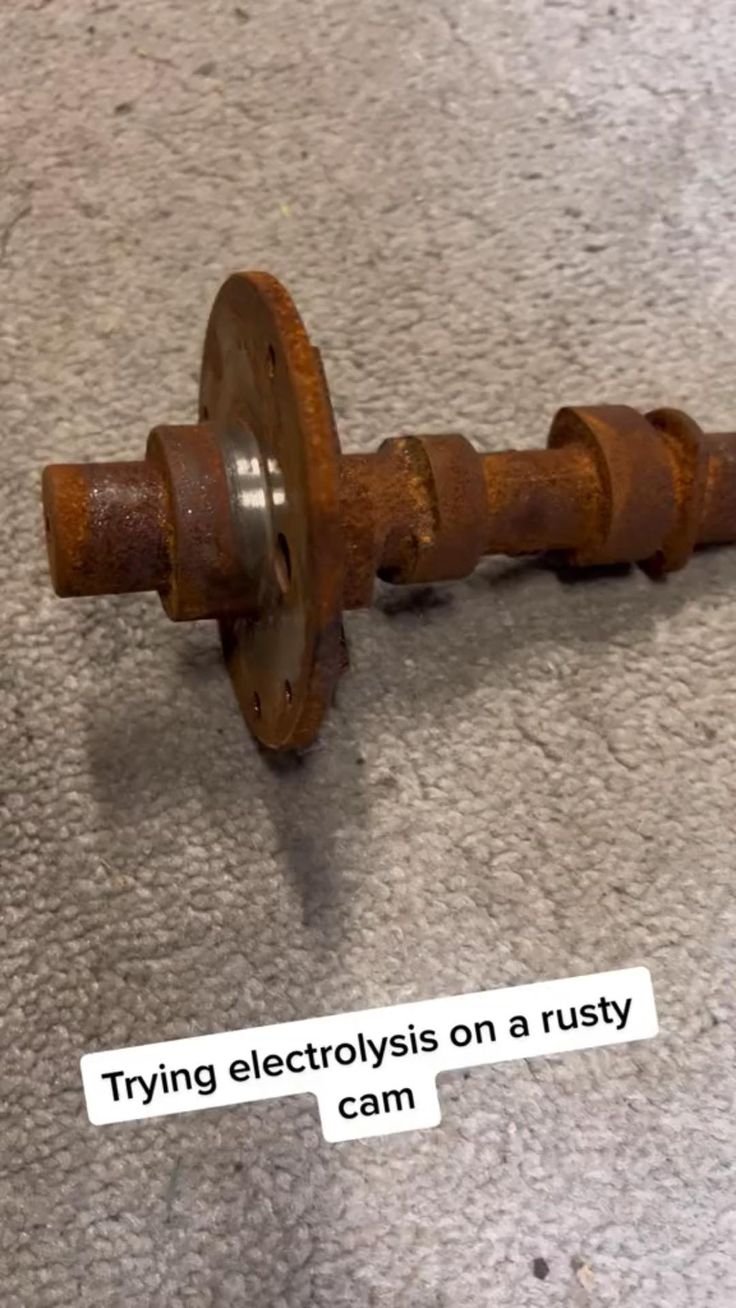
Electrolysis can be challenging for large or complex items because it's difficult to apply the electrical current evenly. This can lead to incomplete rust removal and potential damage to the item due to uneven treatment.
Moreover, items with intricate designs or delicate parts may not be suitable for electrolysis due to the risk of damage or incomplete treatment.


Cost and Time
Professional electrolysis treatments can be expensive due to the specialized equipment and expertise required. Additionally, the process can be quite slow, making it impractical for many applications.
DIY electrolysis can also be cost-prohibitive if it involves purchasing specialized equipment, plus, it can take a lot of time, especially for large or severe rust problems.
In conclusion, while electrolysis can work for rust removal, it's not a one-size-fits-all solution. It's best suited for small, decorative items and severe rust problems treated by professionals. For many rust issues, other methods like sandblasting, chemical cleaning, or spray-on rust inhibitors may be more practical and effective. Ultimately, the best approach depends on the specifics of the situation, so it's always a good idea to consider several options before choosing one.