Electrolysis, a method often employed for rust removal, can indeed be a effective solution for maintaining metal surfaces. However, like many powerful tools, it comes with its own set of potential dangers. Understanding these risks is crucial for anyone considering electrolysis as a means to remove rust. This article delves into the potential hazards, offering insights to ensure safe and responsible use.
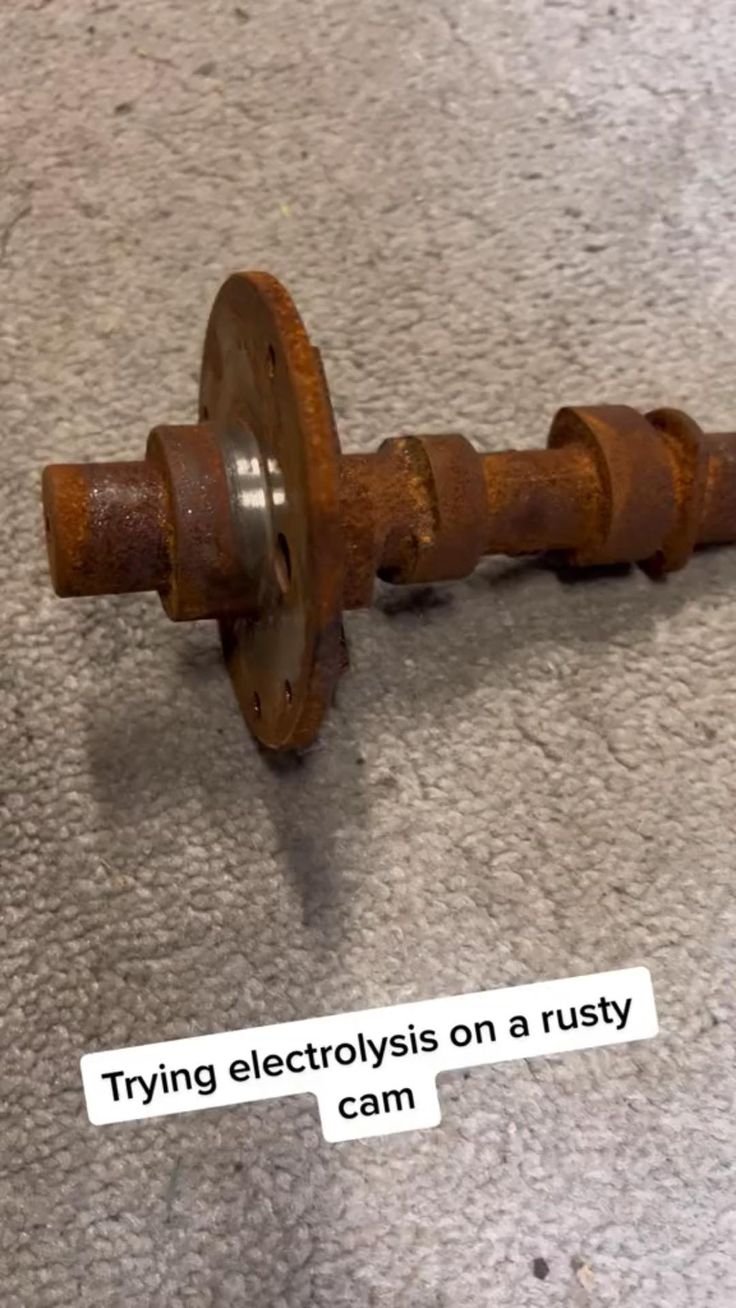
Before we explore the dangers, let's quickly outline the electrolysis process. Electrolysis involves placing the rusted metal in an electrolyte bath, typically sodium carbonate or washing soda, and connecting it to a direct electrical current. The current triggers a chemical reaction that breaks down the rust, allowing it to be easily removed.
Physical Dangers
One of the primary physical dangers associated with electrolysis is the risk of electrical shock. The process involves handling electrical equipment and exposed wires, so precaution is paramount. Always ensure that the area is dry, and you're not working with live electrical components without proper protection.


Moreover, electrolysis generates heat, which can potentially cause burns if not managed correctly. The electrolyte solution can reach high temperatures, so regular monitoring and cooling are essential to mitigate this risk.
Professional Protective Gear
To mitigate these physical hazards, using appropriate protective equipment is paramount. This includes safety glasses, insulated gloves, and non-conducive footwear. A heat-resistant apron or gloves can also help protect against burns. Remember, safety should always be your primary concern when dealing with any electrical process.


Always ensure that you're working in a well-ventilated area to prevent the buildup of hazardous fumes. Additionally, keep a first-aid kit nearby to deal with any minor injuries promptly.
Improper Use: Equipment Damage and Safety Hazards
Improper use of electrolysis can lead to significant damage to the equipment and pose safety hazards. For instance, using too high a voltage or amperage can cause the electrolyte solution to 'boil', leading to splattering and potential burns. Conversely, too low a voltage or amperage may result in inefficient rust removal, necessitating longer exposure times and increased risk.
Regularly inspect your equipment and follow manufacturer guidelines to ensure safe and effective operation. Never use damaged or poorly maintained equipment, as this can lead to unexpected electrocution or explosions.




Chemical Dangers
Beyond physical risks, electrolysis presents chemical hazards as well. The process involves handling chemicals that can be harmful if not handled correctly. Sodium carbonate, one of the most common electrolytes, is generally safe, but prolonged contact or ingestion can cause skin irritation and other health issues.
Moreover, the combination of heat and electrical current during electrolysis can produce toxic byproducts, such as hydrogen gas and sodium hydroxide. These can cause skin burns, eye injuries, and respiratory irritation if not contained and vented properly.
Safe Handling of Chemicals
Proper handling of chemicals is crucial to avoid these hazards. Wear protective gloves and clothing when handling chemicals. Always follow the manufacturer's guidelines for safe use, storage, and disposal. Never mix chemicals together without first understanding their reactions, as this can lead to dangerous results.


To mitigate the risk of exposure to harmful byproducts, ensure that the electrolysis process takes place in a well-ventilated, controlled environment. Regularly monitor the electrolyte solution and replace it according to your equipment's guidelines to prevent the buildup of dangerous compounds.
Environmental Impact
Lastly, it's important to consider the environmental impact of electrolysis. The process generates waste, including spent electrolyte solutions and potentially hazardous byproducts. Improper disposal can contaminate soil and water sources, posing a significant environmental risk.
Choose eco-friendly chemicals for your electrolysis process where possible, and always dispose of waste according to local regulations. Consider recycling materials where applicable, and always contain and manage your waste responsibly.
In the end, electrolysis can be a powerful tool for rust removal, but only if used safely and responsibly. Always prioritize safety - make sure you understand the process, have the right equipment, and know how to handle potential hazards. Your vigilance and cautious approach can turn a potentially dangerous process into a safe and efficient one.