Are you tired of seeing rust on your metal surfaces? Before you resort to replacing costly equipment or structures, consider the benefits of electrolysis rust removal. This method, using an electrolysis rust removal mixture, can effectively clean and restore metal surfaces to their original finish. Let's delve into the process and its components.
Electrolysis, a versatile technique, has proven successful in removing rust from various metals such as iron, steel, and cast iron. The process involves using an electrical current to draw rust from the metal's surface. The key to this process is the electrolysis rust removal mixture, which creates an optimal environment for rust conversion and removal.
The Science Behind Electrolysis Rust Removal
The electrolysis rust removal process follows the principle of electrolysis, where an electric current is passed through a conducting medium, typically a liquid, to cause chemical reactions at the electrodes. In this case, the metal surface acts as one electrode, and a catalyst, usually made from a mix of ingredients, serves as the other.


The Electrolysis Rust Removal Mixture
The electrolysis rust removal mixture, the catalyst in this process, is a critical component. It usually consists of a combination of water, an electrolyte (like sodium bicarbonate or seawater), and sometimes, additional ingredients like vinegar or lemon juice for extra acidity. This mixture creates an environment that facilitates the breakdown and removal of rust.
How the Mixture Works
The electrolysis rust removal mixture works by initiating a chemical reaction when the electrode (metal surface) is submerged in it and connected to the electrical current. The current causes the rust to break down and separate from the metal's surface, leaving it clean and free from corrosion. The mixture's components then undergo changes that render them ineffective, requiring periodic replacement.


Steps Involved in Electrolysis Rust Removal
Before starting the electrolysis rust removal process, ensure the metal surface is clean and free from paint or thick rust layers. Here are the steps involved in electrolysis rust removal:
Preparation
Gather your materials: a suitable container, the electrolysis rust removal mixture, an electrical power source, and copper or zinc anodes (the second electrode). Protect surrounding areas to avoid damage from the mixture or electrical current.
Connection
Submerge the anodes in the mixture, ensuring they're well-connected to the electrical power source. Now, connect the metal surface to the negative terminal (-) of the power source. Make sure the metal surface is fully submerged in the mixture while connected.


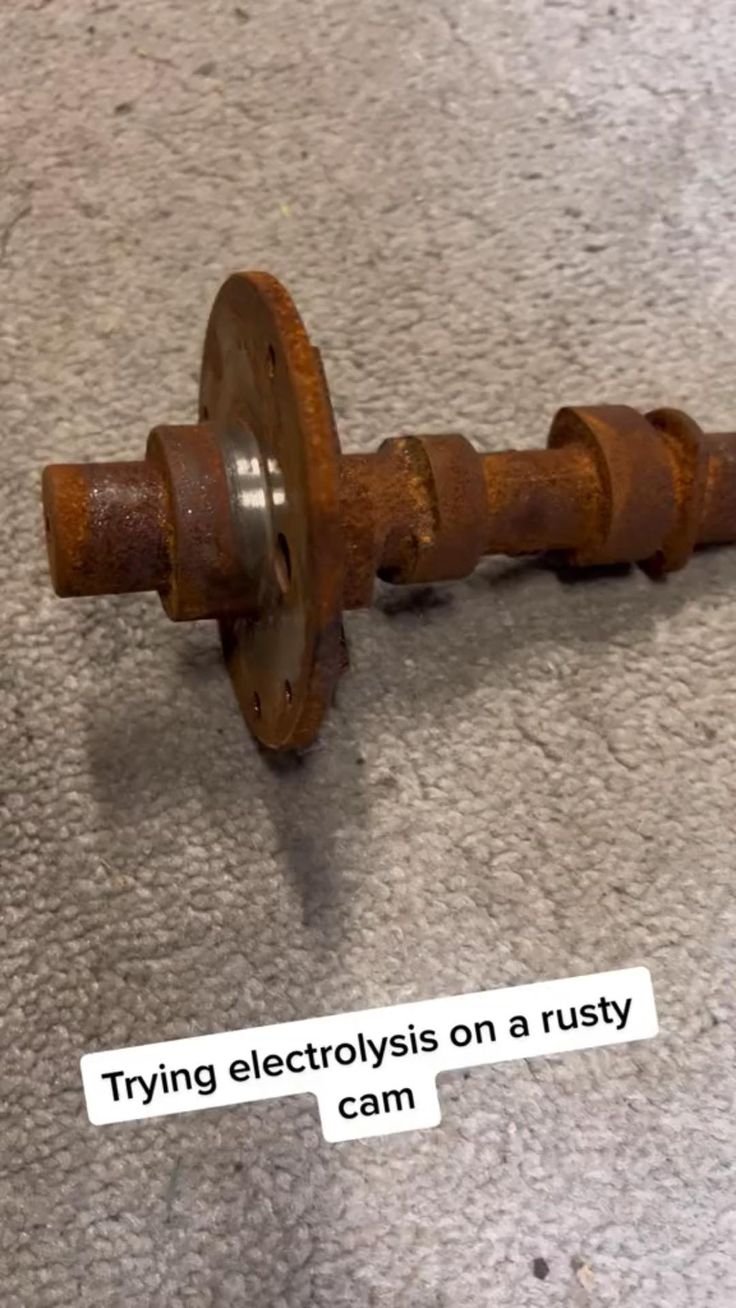

The rest is physics: the electrical current causes the rust on the metal surface to dissolve into the solution, and the anodes will displace the electrons, preventing new rust formation. This process usually takes anywhere from a few hours to a few days, depending on the extent of rust damage.
After completing the electrolysis rust removal process, clean the metal surface thoroughly to remove any residual solution. You can then apply a protective coating to prevent future rusting.
Electrolysis rust removal offers a non-abrasive, non-toxic, and cost-effective solution to rust removal. By understanding the science behind the process and choosing the right electrolysis rust removal mixture, you can effectively restore metal surfaces to their original, rust-free state. Try it today and see the difference for yourself!


