The Romanian Deadlift (RDL) is a powerful exercise that targets multiple muscle groups, providing a full-body workout. While it shares a name with the traditional Deadlift, the RDL is unique in that it emphasizes more on the hamstrings and glutes than the back and quads. Let's delve into the science behind this exercise to understand what muscles it works.
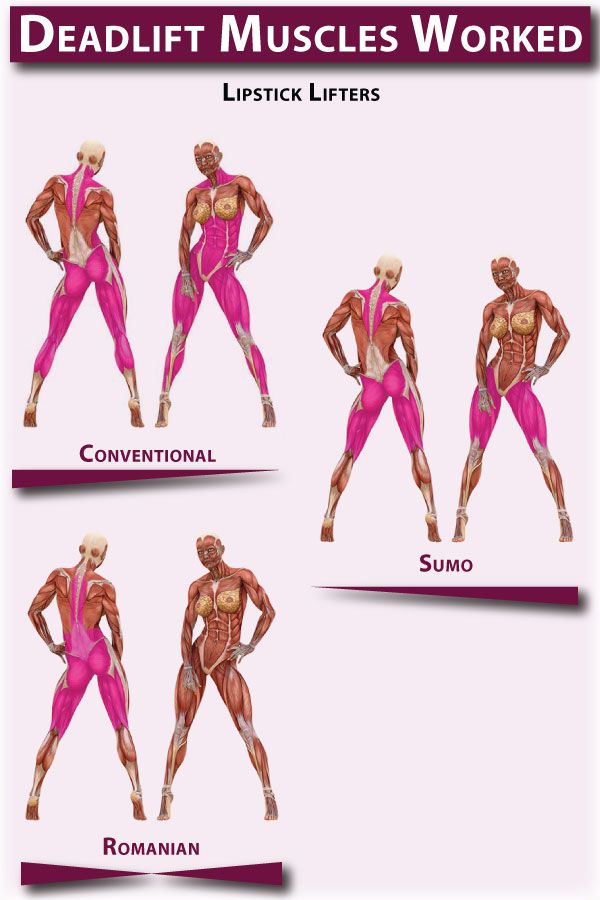
The Romanian Deadlift isn't just a lower body exercise; it actively engages several muscle groups, making it an excellent addition to your workout routine. By utilizing this lift in your regimen, you're not only targeting prime movers but also stabilizing muscles. Let's break down the primary and secondary muscles worked during an RDL.
Primary Muscles Worked in Romanian Deadlifts
The following muscle groups are the main targets during Romanian Deadlifts:


Hamstrings
The hamstrings, located at the back of your thighs, are the primary muscles worked during RDLs. They are responsible for extending your hips and flexing your knees. The RDL's unique hip hinge motion ensures constant tension on the hamstrings, making them the primary movers in this lift.
The long head of the biceps femoris, one of the three hamstring muscles, is particularly engaged due to the lengthened position of the knee during the RDL. This position creates more tension on this muscle head than in traditional Deadlifts.


Glutes
The glutes, or your buttocks, are the other primary muscle group targeted during RDLs. These powerful muscles help extend your hips, stabilise your pelvis, and support your spine. The hip-hinge motion in RDLs activates the gluteal muscles, especially the gluteus maximus and medius.
The glutes become the primary powerhouse for hip extension as you reach the upright position in the RDL, making them crucial for this exercise.
Secondary Muscles Worked in Romanian Deadlifts
While the hamstrings and glutes are the primary targets, several other muscle groups play a significant role in the Romanian Deadlift.



Lower Back & Erector Spinae
The lower back muscles, including the erector spinae, are engaged to maintain a stable spine during the RDL. While RDLs put less stress on the lower back compared to traditional Deadlifts, it's still essential to maintain a neutral spine to avoid injury.
The lower back muscles work as stabilizers, preventing excessive rounding of the spine during the lift. It's crucial to maintain this neutral spine throughout the movement to minimize stress on these muscles.
Abdominals
The abdominals, including the rectus abdominis, obliques, and transverse abdominis, work as stabilizers during the RDL. Engaging your core is essential for maintaining spinal stability and balance during the lift.


Your abdominals work synergistically with your lower back muscles to maintain a stable spine and transferring force from your legs to the barbell.
Forearms & Grip Muscles
The forearms and grip muscles are also involved in the RDL, primarily to maintain a firm grip on the barbell. As the RDL primarily targets your posterior chain, your anterior muscles, including your grip muscles, need to work harder to stabilize the barbell.
Regularly incorporating RDLs into your workout routine can help strengthen your grip and improve forearm endurance.
In conclusion, the Romanian Deadlift is a versatile exercise that targets multiple muscle groups, making it an excellent addition to any workout routine. From the primary muscle groups of hamstrings and glutes to secondary muscles like the lower back, abdominals, and grip muscles, the RDL offers a full-body workout in one movement. As with any exercise, ensure proper form and use appropriate weight to avoid injury and reap the benefits of this powerful lift.