Mexico's hurricane season, much like the Caribbean and Gulf of Mexico, officially runs from June 1st to November 30th each year, with the peak months being August and September. Given its geographical location and exposure to the Atlantic Ocean and Gulf of Mexico, it's natural to wonder, "Does Mexico get hurricanes in September?"
September is indeed one of the busiest months for hurricanes in Mexico. The warm waters of the Gulf and Caribbean Sea provide the ideal conditions for these storms, which require sea surface temperatures above 26.5°C (79.7°F) to form and maintain their strength. In September, these conditions are usually present, making September a month to be cautious in Mexico.
Why are hurricanes common in September?
One of the primary reasons September sees a high number of hurricanes is the peak of the Atlantic Hurricane season. The Atlantic Ocean, Gulf of Mexico, and Caribbean Sea are all highly active during this month. The warm waters and prevailing weather patterns create a favorable environment for the formation and intensification of hurricanes.


The other reason is the shift in the foddy dome, a region of low atmospheric pressure over the tropical oceans. In September, this dome shifts towards the western Atlantic and Gulf, encouraging the formation of hurricanes near Mexico.
Historical precedent of September hurricanes in Mexico
Mexico's history is peppered with significant hurricanes that occurred in September. Hurricane Xavier in 2005, Hurricane Stan in 2005, and Hurricane Odile in 2014 are just a few examples of powerful storms that made landfall in Mexico during this month. These storms reminded locals and visitors alike of the country's vulnerability to these powerful forces of nature.


These past events serve as grim reminders of the potential devastation these storms can bring. However, they also highlight the importance of preparedness and the lessons learned from each storm that can help in mitigation efforts.
What areas in Mexico are most at risk?
Coastal regions along the Gulf of Mexico, the Caribbean Sea, and the eastern Pacific Ocean are the most vulnerable to hurricanes in September. These areas include the states of Veracruz, Tamaulipas, Yucatan, Quintana Roo, Chiapas, and parts of Guerrero and Oaxaca. Beyond these coastal regions, even inland areas can be at risk due to heavy rainfall, flooding, and landslides associated with hurricanes.
Mexico City, despite being hundreds of miles inland, can still be affected by hurricanes. A notable example is Hurricane Manuel in 2013, which caused significant flooding and landslides in the city, causing millions of dollars in damage.


Prepare for hurricane season in Mexico
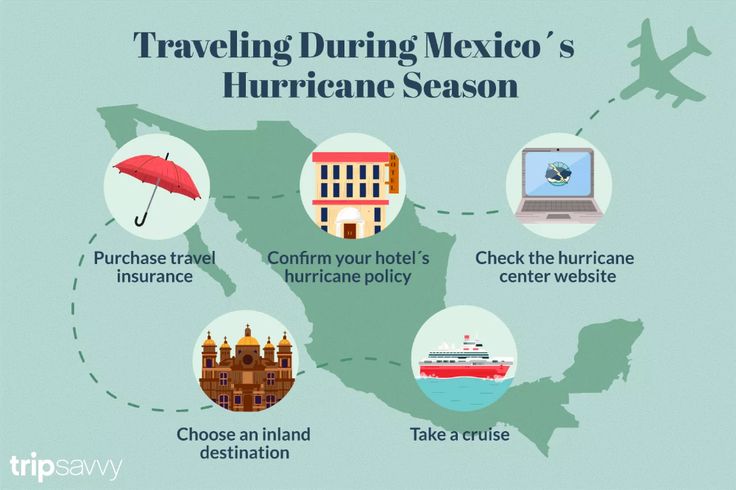
Regardless of whether you're a local resident or a visitor, being prepared is crucial during hurricane season. This means staying updated with weather forecasts, knowing evacuation routes, and having an emergency kit ready. It's also a good idea to secure your property, trim trees, and clear debris that could be blown around in strong winds.
If you're planning to visit Mexico during September, be sure to monitor weather forecasts, and check with your hotel or accommodation about their hurricane policy. Many resorts and hotels are well-equipped to handle hurricanes, with backup generators and other amenities to ensure your safety and comfort during a storm.
In conclusion, September is indeed a month when Mexico gets hurricanes. With a rich history of these powerful storms and the knowledge of upcoming ones thanks to advanced weather forecasting, residents and visitors alike can stay prepared and safe. By understanding the risks and taking necessary precautions, everyone can enjoy Mexico's beauty while staying secure during the hurricane season.


