September is often a month that is front and center in discussions about hurricanes, with many people wondering: "Does Mexico have hurricanes in September?" The answer is a resounding yes. September is, in fact, one of the peak months for hurricane activity in the Atlantic basin, which includes Mexico. Let's delve into this topic, exploring why September is a critical month for hurricanes and how Mexico is affected.
The annual hurricane season in the Atlantic Ocean typically runs from June through November, but it peaks between August and October. September often finds itself at the heart of this active period due to favorable weather conditions. Sea surface temperatures are usually at their warmest, providing the heat energy that fuels these powerful storms.
Mexico's Vulnerable Regions
Mexico's long coastline, stretching over 10,000 kilometers, makes it particularly susceptible to hurricanes. The Gulf of Mexico and the Caribbean Sea are typically the regions most at risk. Cities like Veracruz, Ciudad del Carmen, and Coatzacoalcos have been significantly impacted by hurricanes in recent years.

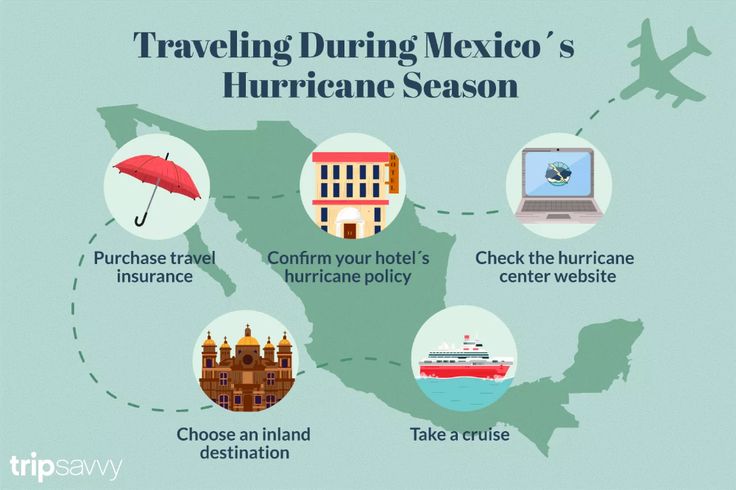

In September 2020, for instance, Hurricane Gamma made landfall near Tulum in the Mexican state of Quintana Roo. It was the tenth hurricane of the extremely active Atlantic hurricane season that year, highlighting the necessity for constant vigilance during this peak month.
Preparing for Hurricane Season
Mexico's National Meteorological Service plays a crucial role in preparing the population for hurricane threats. They issue regular updates and warnings, advising the public on evacuation routes, safety measures, and what to do before, during, and after a hurricane. These efforts help mitigate the storms' potential impact.


At the community level, civil protection organizations often work hand in hand with local authorities to ensure that risk areas are well-informed and prepared. Prior to the start of the hurricane season, they typically organize drills and workshops to enhance public awareness and response capabilities.
Hurricane Categories: A Guide for Understanding the Risk
Hurricanes are categorized based on their maximum sustained winds. Understanding these categories can help individuals and communities evaluate potential risks. Category 1 storms have maximum sustained winds of 74-95 mph, while Category 5 storms have winds exceeding 157 mph.
Knowing the category of an approaching hurricane can greatly influence preparedness actions. Lower category hurricanes might prompt you to secure loose items and stock up on supplies, while Category 5 storms may necessitate immediate evacuation.


Why Do Hurricanes Matter?
Hurricanes can have devastating effects, including strong winds, heavy rainfall, storm surges, and deadly flooding. Mexico, with its diverse ecosystems and tourist destinations, is particularly sensitive to these impacts. These storms can disrupt tourism, damage infrastructure, and threaten local wildlife and habitats.
Moreover, hurricanes can exacerbate existing challenges, like housing shortages and poverty. They can displace people and leave them with limited resources to recover and rebuild. Therefore, understanding and preparing for hurricanes is not just a matter of weather awareness; it's also about disaster risk reduction and community resilience.
In closing, as September approaches each year, the question "Does Mexico have hurricanes in September?" becomes increasingly relevant. The answer is clear: yes, and it's crucial to be prepared. By understanding the risks, preparing ourselves and our communities, and staying weather-aware, we can work together to mitigate the effects of these powerful storms.


